

Gravimetric vs. Imaging Phenotyping Systems in Plant Research
Introduction As global challenges such as climate change, food security, and resource limitations intensify, the need for efficient and precise plant research tools has become

Beat the Heat: How Do Plants Cool Themselves, and How Can We Measure It?
Heat stress is becoming a central challenge in plant science, crop development, and agricultural production. As heatwaves become more frequent and intense. researchers are increasingly
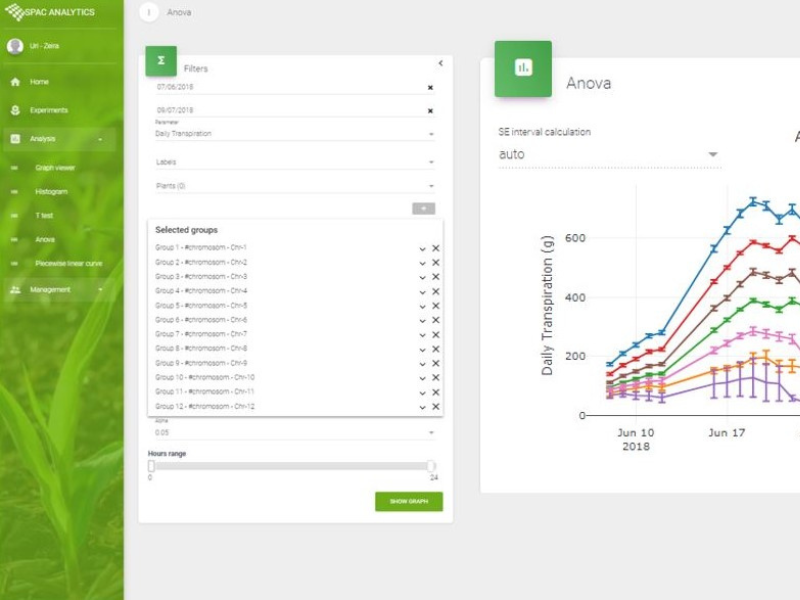
NEW SPAC Analytics Software Version – Instant Plant Response
he plant functional performance in high throughput Studying and examining whole-plant properties today is still as challenging as ever, through all the technological advancement. It
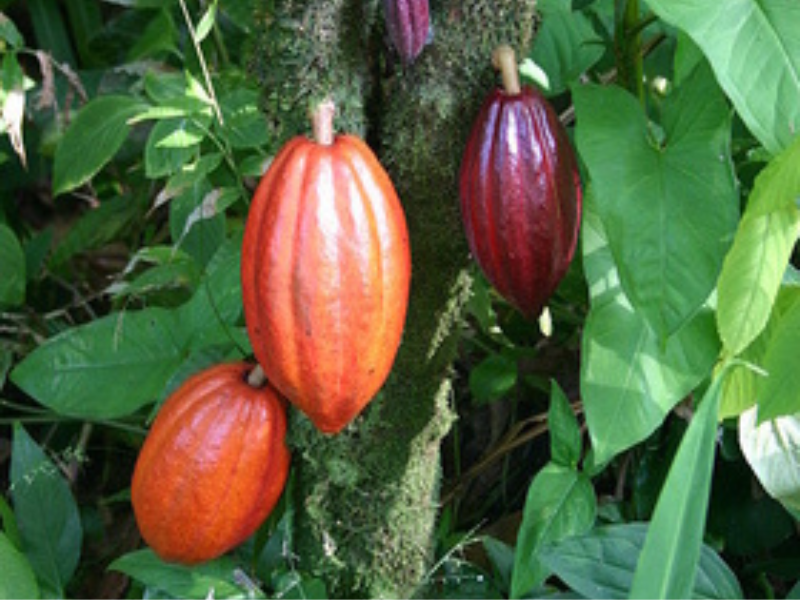
How Much Water Does it Take to Make Chocolate?
Would you believe about 1,700 liters of water is required to produce a 100g bar of chocolate? This seems like a ridiculously high number. So,
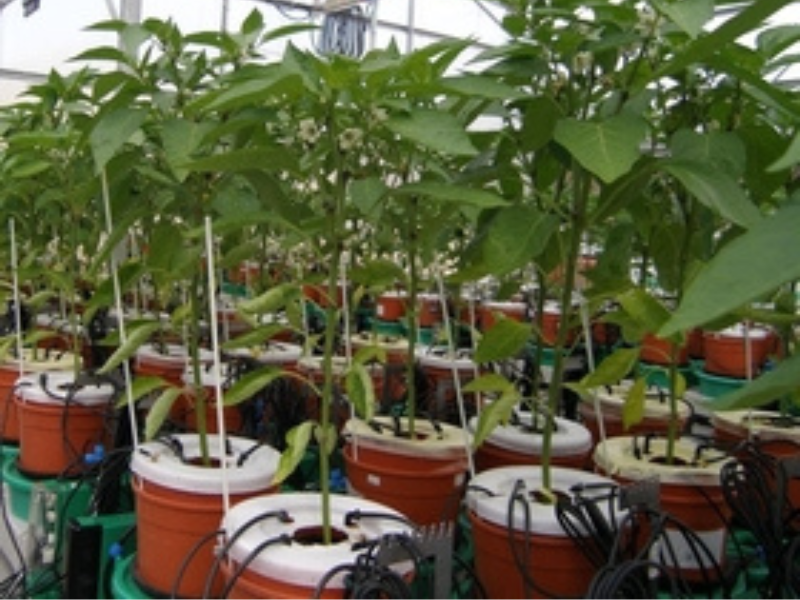
what are biostimulants
Biostimulants are substances or microorganisms that, when applied to plants or the rhizosphere, stimulate natural processes to enhance or benefit nutrient uptake, nutrient efficiency, tolerance to abiotic stress,
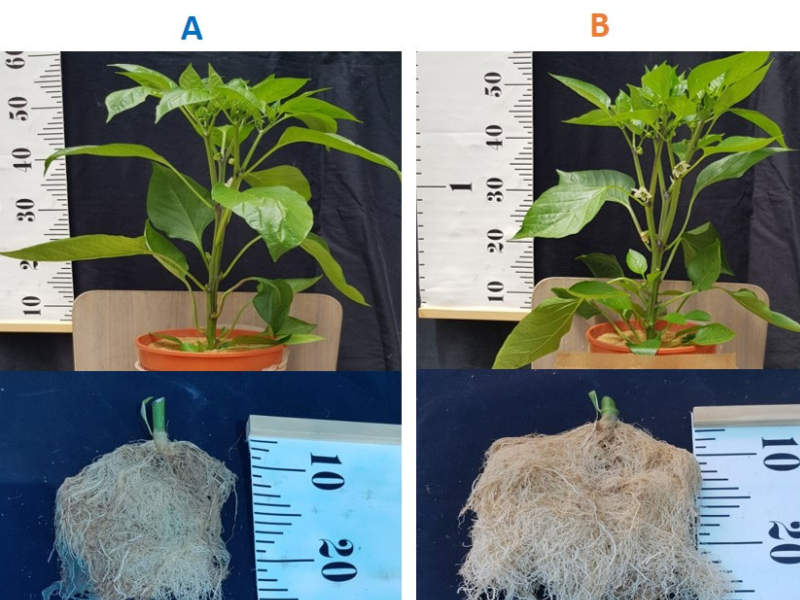
Early Detection of Plant Response to Biotic Stress
Plant biotic stress factors such as root and shoot diseases or pests, are usually only detected with the appearance of visual symptoms or signs. For
Drought Stress in Plants
Drought stress in plants is one of the most critical environmental challenges threatening global agriculture and food security. Limited water availability severely affects plant growth,

Plant Physiology Phenotyping
Plant physiology phenotyping is a key area of study that examines a plant’s structure, function, and metabolism. It aims to identify the biological mechanisms behind
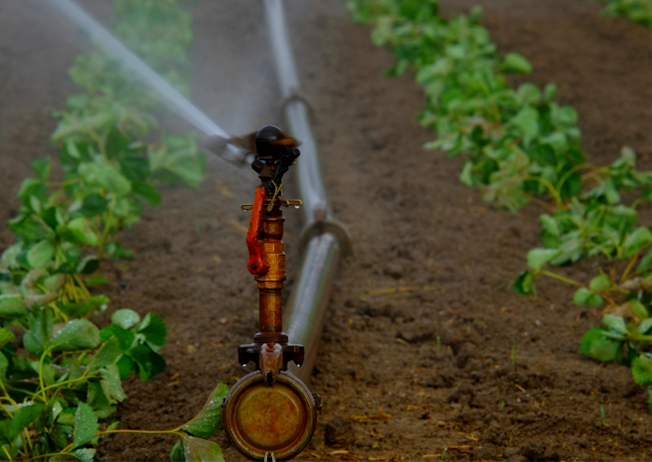
Water Stress in Plants
How does water stress impact plant growth? Water stress in plants refers to a condition where there is an inadequate amount of water available for

Can Tomatoes Beat the Flood? | Discover Our Flood Kit
Global warming is increasing the frequency and intensity of flooding, causing estimated annual agricultural losses of US$7.8 billion. This makes flooding the second most devastating

Plant Ditech & Computomics Podcast
Our CEO, Keren Moshelion, was invited to the latest Computomics podcast to talk about the PlantArray platform! 🎙️🌱 She explains how we simulate stress, such
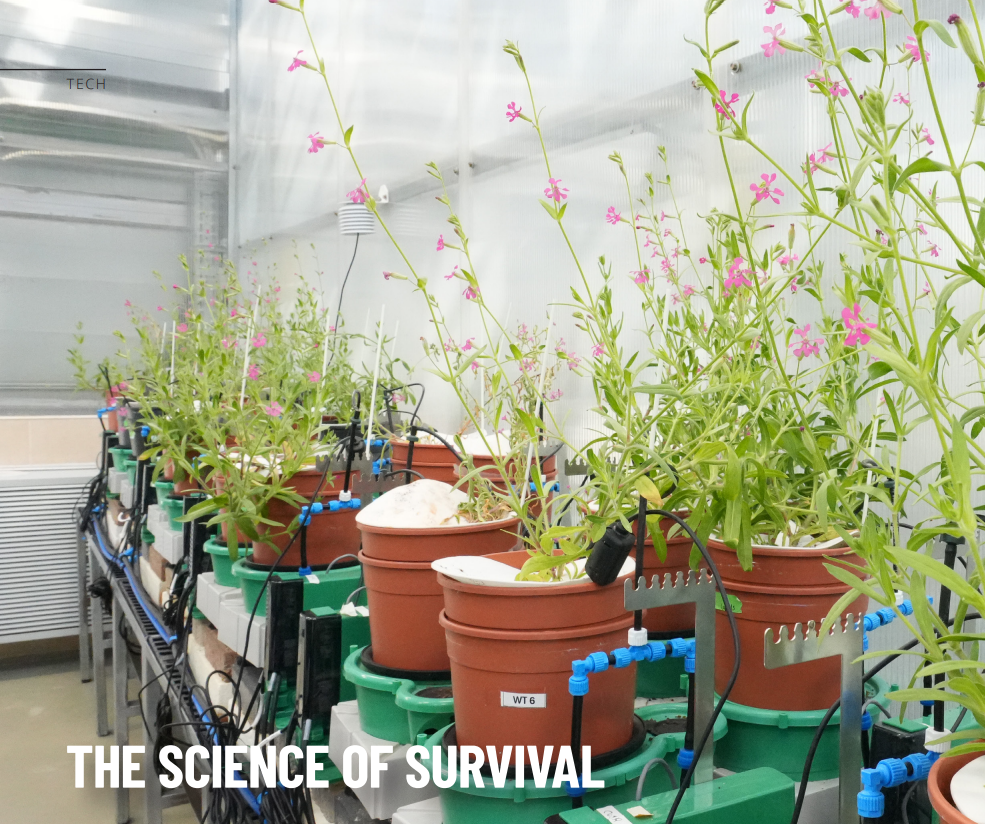
The Science Of Survival – FloraCulture International & Plant-Ditech
As the global climate grows increasingly erratic, the race to understand plant stress and resilience has never been more urgent. At the forefront of this
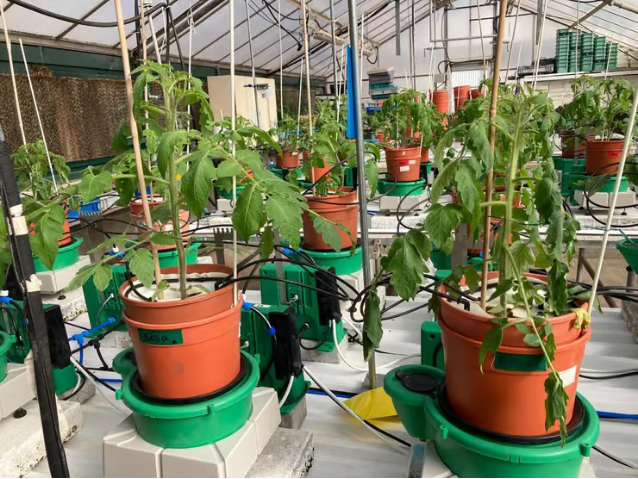
Hidden signs in water reveal disease in tomatoes – long before symptoms appear
By Yogev Israeli Researchers from the Hebrew University of Jerusalem have discovered an innovative method for the early detection of plant diseases by measuring water
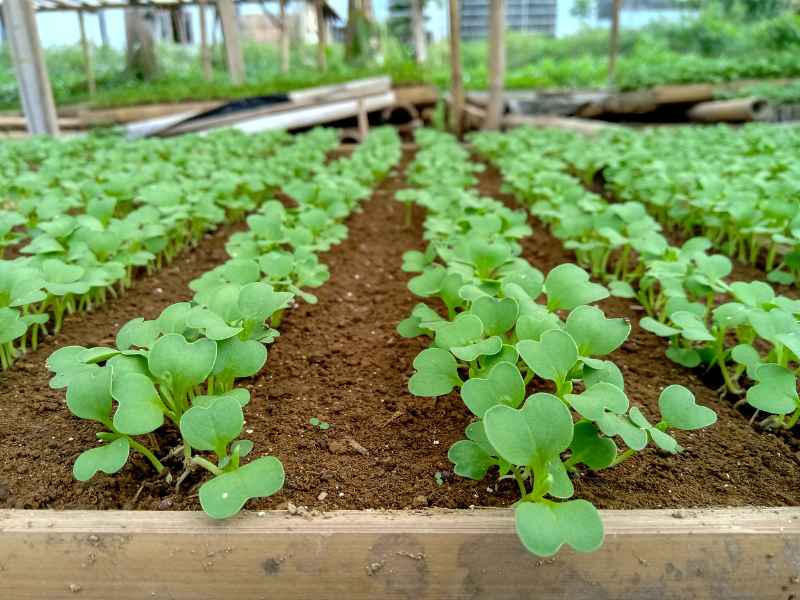
Breeding For Abiotic Stress: System Innovations | Plant Ditech
Breeding for abiotic stress tolerance in plants is a critical area of research and development aimed at addressing the challenges posed by environmental stresses such as

Drought Stress in Plants: Effective Solutions
Drought, is a prolonged period of abnormally low water availability or precipitation that has profound implications for plant growth, development, and survival. It occurs when
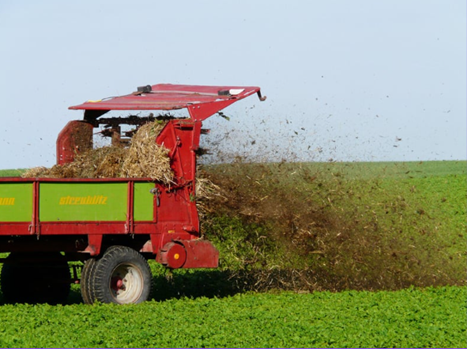
Biostimulants: Harness The Power of Biostimulants | Plant Ditech
What are biostimulants? Plant biostimulants encompass a broad category of naturally derived or chemically synthesized substances that stimulate plant growth and development by enhancing nutrient

Plant Phenomics
Plant phenomics is an interdisciplinary field focused on measuring, analyzing, and interpreting plant traits at the whole-plant level. It uses various techniques to study the

Plant Biomass
Biomass, the organic material derived from living organisms, serves as a fundamental component of the Earth’s ecosystems and plays a crucial role in sustaining life.
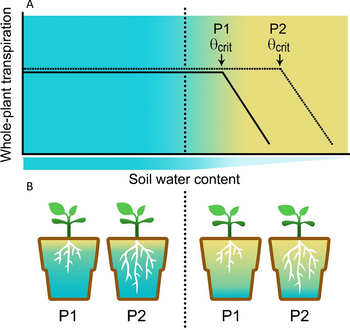
Looking for Activity Underground – Roots Functional Traits
Today, most of the stress-related characterization of roots is morphological. Yet, the ability to characterize and compare physiological traits of plants’ roots under stress is
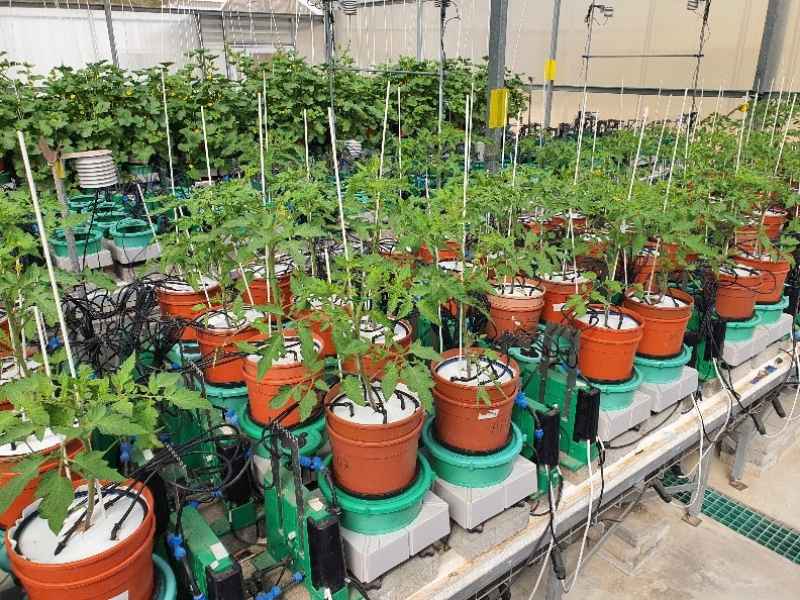
Why plant physiological analysis is the most accurate way to indicate plants behavior?
Plant analysis is a valuable tool used in various fields of study, including agriculture, botany, and environmental science. It involves the detailed examination of plant characteristics,

Plant Response to Climate Change
Climate change is one of the most critical issues facing humanity in the 21st century. It is a complex phenomenon with the potential to profoundly
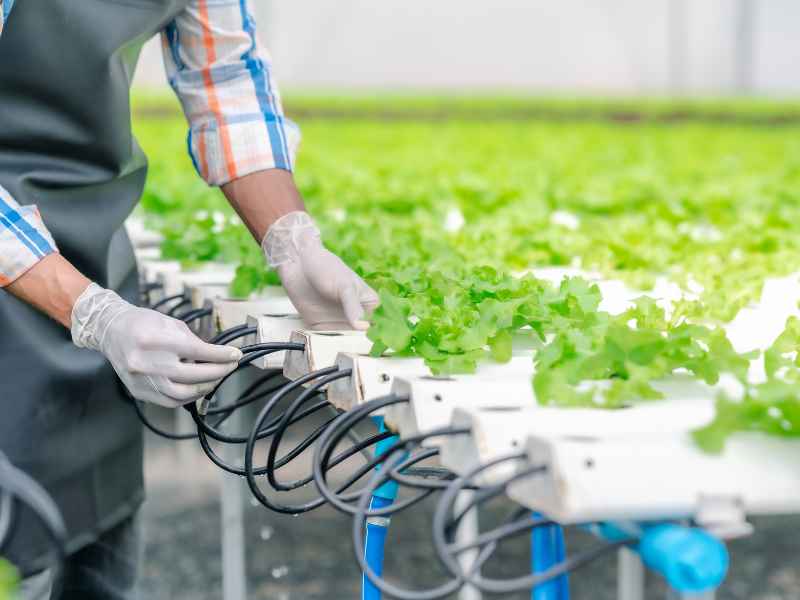
Gravimetric System
In the field of agriculture and plant science, precise monitoring and measurement are crucial for optimizing crop growth, ensuring resource efficiency, and ultimately enhancing yield

Several common types of abiotic stress
Abiotic stress in plants refers to the adverse effects caused by non-living environmental factors on their growth, development, and overall well-being. Unlike biotic stresses that

Water Efficient Crops
Water efficient crops The plant’s water cycle, also known as the “transpiration-cohesion-tension” or “capillary action” process, is a crucial mechanism that allows plants to transport
Salt Tolerant Crop
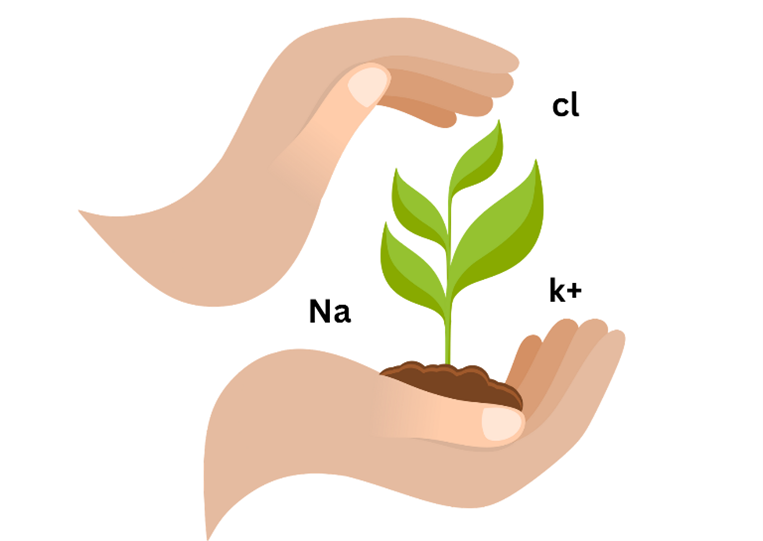
In an era where global food security faces unprecedented challenges from climate change and land degradation, the development and identification of salt tolerant crop varieties has become
High Throughput Plant Phenotyping
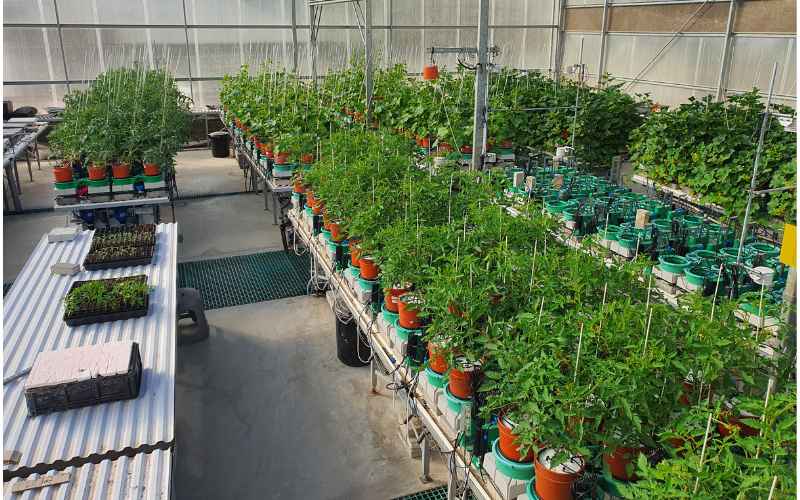
In the realm of agricultural research, the demand for more efficient and accurate methods to study plant traits and responses has led to the emergence

Plant Response To Water Stress
Plant response to water stress is an important area of study in the field of plant physiology and agriculture. Water stress occurs when the demand for water
Common Mistakes in Drought Experiment Set Up
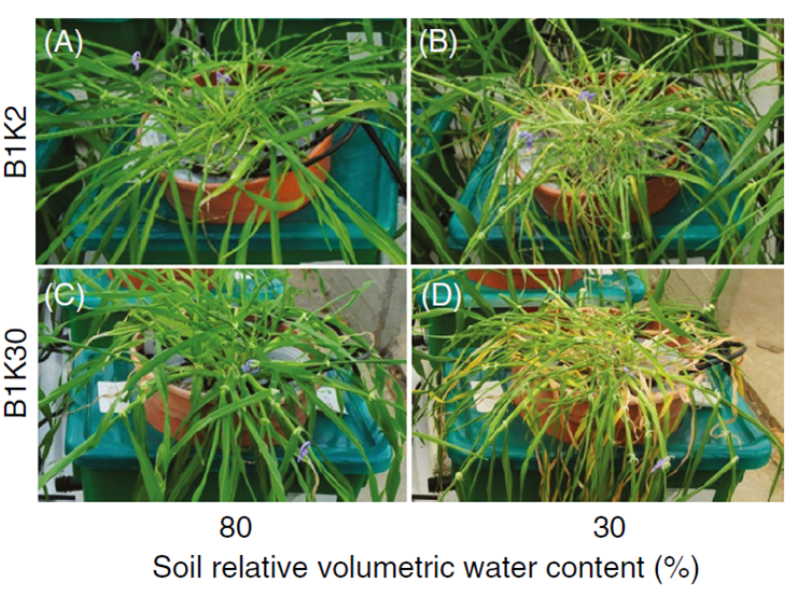
Examining crop response to drought is one of the most popular experiments in plant stress physiology. This is most likely due to its importance and relevance as it pertains to