



Abiotic stress in plants refers to the adverse effects caused by non-living environmental factors on their growth, development, and overall well-being. Unlike biotic stresses that arise from living organisms like pests and diseases, abiotic stresses result from various physical and chemical factors present in the plant’s surroundings. These stresses can severely impact plant health, productivity, and even survival.
Several common types of abiotic stress include:
Drought Stress: Lack of water availability due to inadequate rainfall, improper irrigation, or excessive evaporation can lead to drought stress. It disrupts the plant’s water balance, impairs nutrient uptake, and affects photosynthesis, leading to reduced growth and wilting. Plants respond to drought stress through various mechanisms like closing stomata, producing stress-related proteins, and altering root morphology to enhance water absorption Temperature Stress: Extreme temperatures, both high and low, can disrupt biochemical processes in plants. Heat stress can cause protein denaturation, membrane damage, and oxidative stress. Cold stress can lead to cellular dehydration, ice crystal formation, and disrupted cell membranes. Plants may respond to temperature stress by producing heat shock proteins or antifreeze proteins, depending on the stress type.
Nutrient Deficiency or Toxicity: Insufficient or excessive availability of essential nutrients like nitrogen, phosphorus, potassium, and micronutrients can negatively impact plant growth and metabolism. Nutrient deficiencies can lead to chlorosis (yellowing of leaves) and reduced yield, while toxic levels of certain elements can cause tissue damage and even death. Heavy Metal Stress: Soil contamination with heavy metals like lead, cadmium, and mercury can be toxic to plants, affecting nutrient uptake and overall physiological functions. Some plants have developed mechanisms to tolerate or exclude heavy metals from their tissues. Oxygen Deprivation (Flooding or Waterlogging): Prolonged periods of waterlogging or flooding can reduce oxygen availability to plant roots, leading to anaerobic conditions. This hampers root respiration and nutrient uptake and can ultimately lead to cell death. UV Radiation Stress: Ultraviolet (UV) radiation can cause DNA damage, disrupt photosynthesis, and generate reactive oxygen species. Plants respond by producing UV-absorbing compounds and enzymes that repair DNA damage. Wind Stress: High winds can damage plant structures, break branches, and cause mechanical stress on stems and leaves. Wind can also increase transpiration rates, leading to water loss and dehydration.
Salinity stress in plants
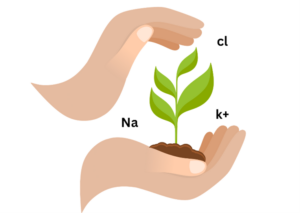
Salinity stress, a significant abiotic stressor, poses a substantial threat to plant growth, development, and agricultural productivity worldwide. It occurs when the concentration of salts, primarily sodium chloride (NaCl), exceeds the tolerable levels within the soil, compromising plant health and reducing crop yields. This phenomenon is particularly prevalent in arid and semi-arid regions, where high temperatures and limited water availability contribute to the accumulation of salts in the soil. Understanding the complexities of salinity stress and the diverse adaptations plants employ to cope with this challenge is crucial for sustainable agriculture and ecosystem management.
Osmotic Imbalance: A Struggle for Water
Salt Glands, Trichomes, and Genetic Adaptations: Nature’s Arsenal Against Salinity Stress
In the unending struggle for survival, plants have evolved an astonishing array of adaptations to cope with the relentless challenges posed by salinity stress. Among these adaptations, salt glands, trichomes, and genetic changes stand as testaments to the intricate strategies nature employs to navigate hostile environments. Together, these mechanisms reveal the remarkable resilience and versatility of plants in the face of adversity.
Salt Glands and Trichomes: Specialized Defenses Against Excess Salts
In the battle against salinity stress, some plants have devised specialized structures to excrete excess salts or minimize their internal accumulation. Salt glands, tiny structures found on the surface of leaves or stems, serve as the plant’s own purification system. These glands actively transport salt ions out of the plant, depositing them on the leaf surface where they can be washed away by rain or irrigation. This extraordinary mechanism not only prevents the toxic buildup of salts within the plant but also contributes to the creation of salt crusts on leaves, acting as a barrier that shields the plant from further salt absorption.
Similarly, trichomes, small hair-like structures on the surface of leaves, play a pivotal role in salt tolerance. Some trichomes are known to excrete excess salt, enabling the plant to maintain a healthier internal sodium balance. Moreover, these trichomes can also reduce water loss through transpiration by creating a microenvironment that reduces air movement and minimizes water vapor loss. This dual function showcases the ingenious ways in which plants can multitask their adaptations to not only cope with salinity stress but also optimize water conservation in arid conditions.
Genetic Adaptations: The Blueprint for Salt Tolerance
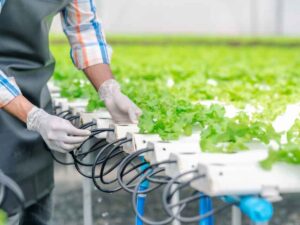
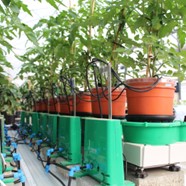
In the quest to address the pressing global issue of salinity stress and its impact on agriculture and food security, researchers are continually seeking innovative solutions to identify and develop salt-tolerant plant varieties, such as the PlantArray. the platform is a cutting-edge technology that upgrades the way researchers pinpoint the best salt-tolerant plants. At the heart of the PlantArray system lies its ability to capture the plant responses to salinity stress in a rapid and high-throughput manner. Traditional methods of phenotyping, which involve observing and measuring plant characteristics manually, can be time-consuming and subject to human bias. The PlantArray system, however, transcends these limitations by automating the process and simultaneously evaluating numerous plants under controlled conditions, and by that getting accurate results throughout the experiment. In concert with the PlantArray, the SPAC (Soil-Plant-Atmosphere-Continuum) Analytics introduces a cloud-based software solution designed to redefine how real-time statistics, analysis, and productivity forecasting are conducted in the agricultural research field. This innovative software offers a platform that empowers agro-researchers to extract meaningful insights from a multitude of data from their experiments.
Sounds interesting?
you can browse our scientific articles by clicking this link: https://www.plant-ditech.com/references/academic-articles. Or if you would like to know how our solution can fit to your research purposes, click on the tab on the right side on the page and we will get back to you shortly!