




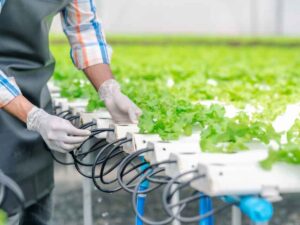
What are the plant traits?
Plant traits are observable and measurable characteristics of plants that reflect their functionality, ecological strategies, and interactions with the environment. These traits can be categorized into three primary domains: morphological traits (e.g., leaf size, root length), physiological traits (e.g., photosynthesis rate, water-use efficiency), and phenological traits (e.g., flowering time, fruiting period). Researchers, ecologists, and agricultural scientists study these traits to understand how plants adapt to their environments, optimize resource use, and respond to biotic and abiotic stresses.

Plant traits play a pivotal role in breeding programs, ecological restoration, and sustainable agriculture. For instance, understanding a plant’s drought tolerance traits can help in developing crops suited to arid regions. Similarly, exploring traits like nutrient use efficiency can lead to reduced dependence on fertilizers, promoting eco-friendly farming practices.
What are the challenges and innovations of measuring plant traits?
Measuring plant traits accurately and consistently has always been a challenge due to the complexity of plant-environment interactions. Traditional methods often rely on manual observation and measurement, which are time-consuming, labor-intensive, and prone to human error. Moreover, these methods may not capture dynamic changes in plant traits under varying conditions, limiting their utility for real-time monitoring and decision-making.
The PlantArray System: Elevating the way we measure plant traits
The PlantArray system is an advanced phenotyping platform designed to provide a comprehensive understanding of plant traits and behavior. This system combines state-of-the-art hardware and software to measure a range of physiological.
Core Features of PlantArray:
- Automated Data Collection: PlantArray uses non-invasive sensors to monitor plant traits continuously. This eliminates the need for manual intervention, allowing researchers to focus on data analysis and interpretation.
- Dynamic Measurement Capabilities: Unlike manual measurements that provide a snapshot, PlantArray captures dynamic changes over time (500 times a day), offering insights into how plants respond to varying environmental conditions.
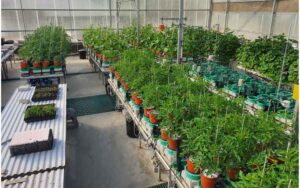
- High-Throughput Phenotyping: The system can simultaneously monitor multiple plants in the array, making it ideal for large-scale experiments and breeding programs.
- Integration with Environmental Data: PlantArray does not measure plant traits in isolation. It integrates environmental parameters such as soil moisture, temperature, and humidity to provide a holistic understanding of plant performance.
- Real-Time Data Visualization and Analytics: The SPAC software allows users to visualize data in real time, perform advanced analyses, and generate predictive models for plant behavior under specific conditions.
What are the key plant traits measured by the PlantArray system?
- Transpiration Rate: Transpiration is the process by which water is lost from plant leaves through stomata. Monitoring transpiration rates helps in assessing water-use efficiency and drought tolerance.
- Root-Shoot Dynamics: The system captures data on root growth and shoot development, providing insights into resource allocation strategies.
- Growth Rates: PlantArray tracks changes in biomass in real time, enabling researchers to evaluate growth performance under various conditions and times.
- Water Uptake and Usage: By monitoring soil moisture and plant water status, PlantArray provides detailed information on how plants extract and utilize water.
Applications of PlantArray in Research and Agriculture:
PlantArray’s ability to dynamically measure and analyze plant traits has opened new avenues for research and practical applications. Below are some examples:
- Crop Breeding and Development: PlantArray accelerates the identification of desirable traits in breeding programs, such as drought tolerance, pest resistance, and high yield. By providing real-time data, breeders can make faster, more informed decisions.
- Stress Response Studies: Researchers can use PlantArray to more quickly study how plants respond to stresses like heat, drought, or nutrient deficiency. Studies like these are crucial for developing resilient crop varieties.
- Precision Agriculture: The integration of the system with environmental data supports precision agriculture techniques. For example, farmers can optimize irrigation and fertilization schedules based on the research results.
- Climate Change Adaptation: By monitoring how plants respond to changing environmental conditions, PlantArray contributes to understanding the potential impacts of climate change and developing adaptive strategies.
What are the advantages of the PlantArray plant traits?
- Enhanced Data Accuracy and Consistency: Automated measurements reduce the variability associated with manual data collection.
- Time and Labor Efficiency: PlantArray’s high-throughput capabilities significantly reduce the time and effort required for large-scale experiments.
- Holistic insights: The system’s ability to integrate multiple data provides a comprehensive view of the plant’s performance, allowing for more deeper interpretations.
- Scalability: PlantArray is suitable for a wide range of applications, from small-scale laboratory studies to large-scale field trials involving hundreds of units.