
Water Stress in Plants
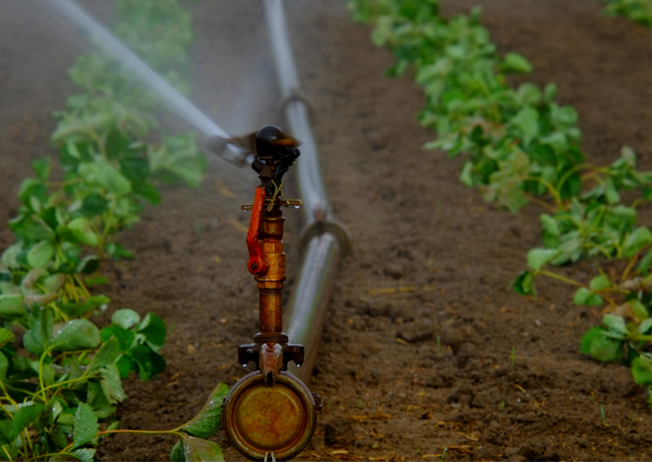
How does water stress impact plant growth? Water stress in plants refers to a condition where there is an inadequate amount of water available for the normal growth and development of plants. It occurs when the demand for water by the plant exceeds the available water supply in the soil. Water stress can have significant […]
Plant Physiology Phenotyping
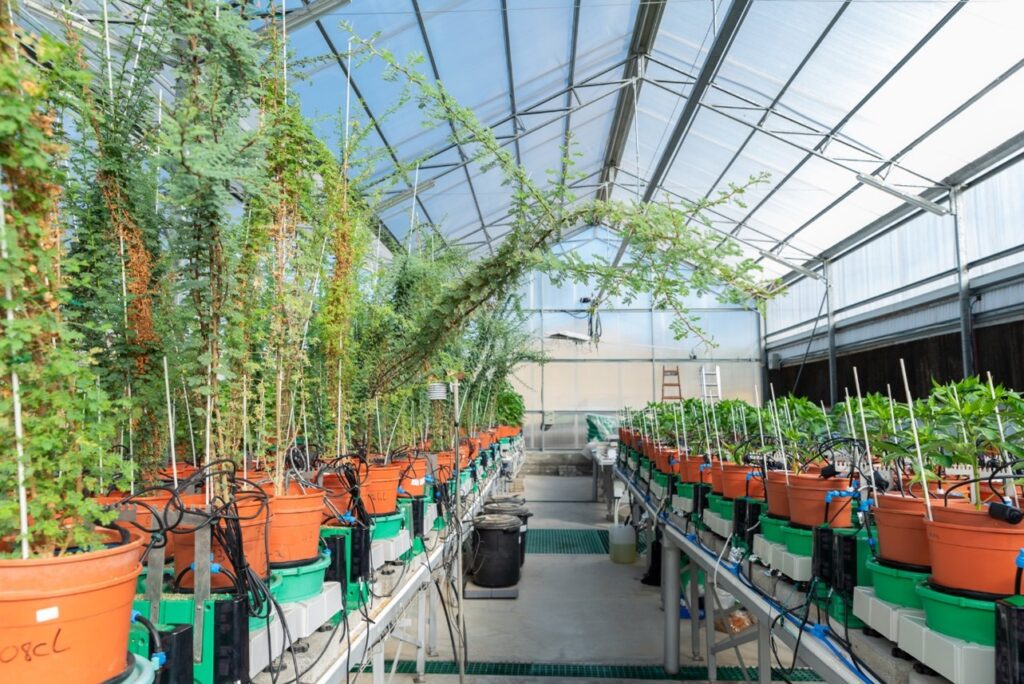
Plant physiology phenotyping is a key area of study that examines a plant’s structure, function, and metabolism. It aims to identify the biological mechanisms behind plant growth, development, and their response to environmental stresses like drought and flooding. This process uses a variety of techniques and tools, such as our fully automated PlantArray system, which […]
Drought Stress in Plants
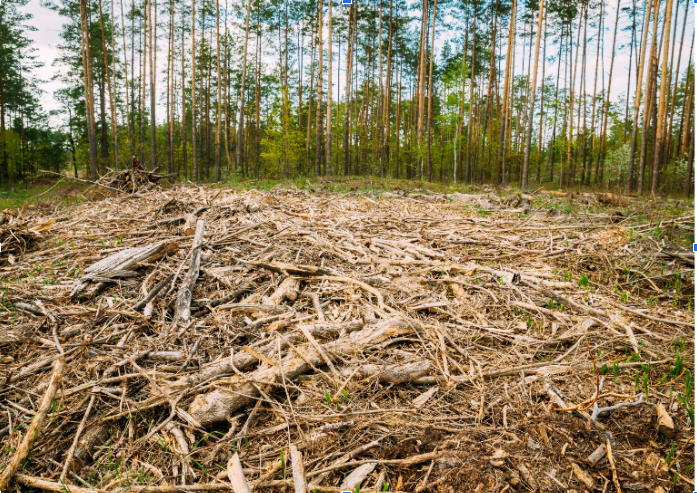
Drought stress in plants is one of the most critical environmental challenges threatening global agriculture and food security. Limited water availability severely affects plant growth, development, and yield. Understanding plant responses to drought stress and identifying mechanisms of drought stress tolerance in plants are essential for developing resilient crop species in an era of climate change. What […]
Early Detection of Plant Response to Biotic Stress
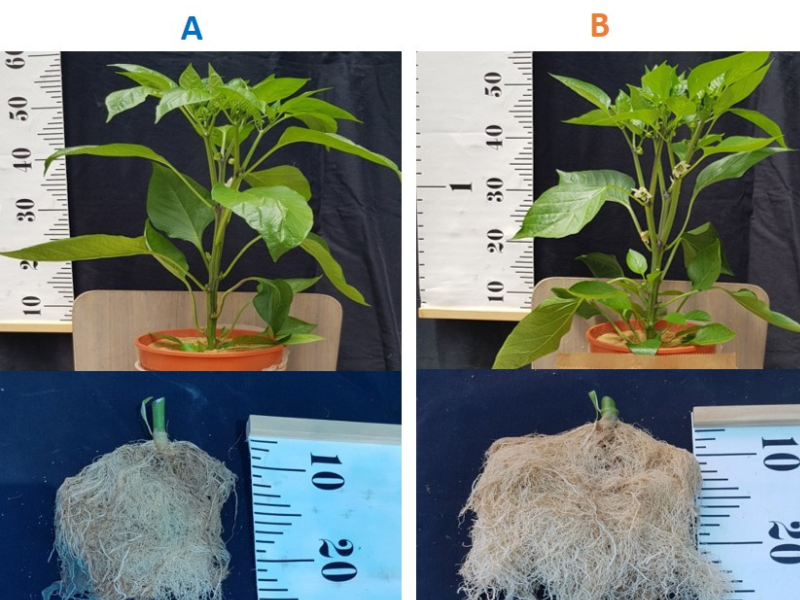
Plant biotic stress factors such as root and shoot diseases or pests, are usually only detected with the appearance of visual symptoms or signs. For example, the identification of fungal mycelium, dark spots on leaves and fruit, or presence of different pests (aphids, caterpillars, mites, etc.), are clear signs of a biotic infection. However, sometimes […]
Plant Breeding For Stress Environments

Growing plants for stress tolerance allows crops to maintain productivity under drought, heat, saltiness, and other challenging conditions by selecting and developing genetic traits that improve resilience. Modern breeding programs combine traditional selection methods with advanced genomic tools and high-throughput phenotyping to accelerate the development of climate-resistant varieties. This combination of technologies has changed the […]
Plant Phenotyping Methods
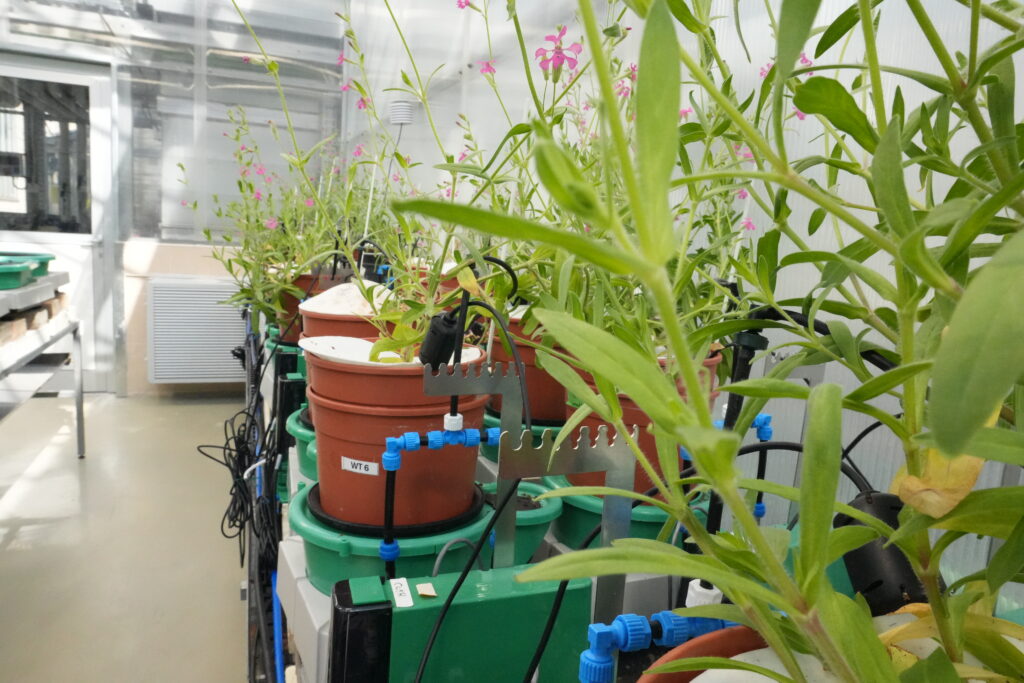
Modern agriculture faces unprecedented challenges. Rising global temperatures, unpredictable weather patterns, and the need to feed a growing population demand innovative solutions. Plant phenotyping methods have emerged as critical tools that enable researchers to understand how plants respond to environmental conditions, ultimately accelerating the development of resilient crop varieties. These sophisticated techniques measure plant traits […]
what is biostimulants
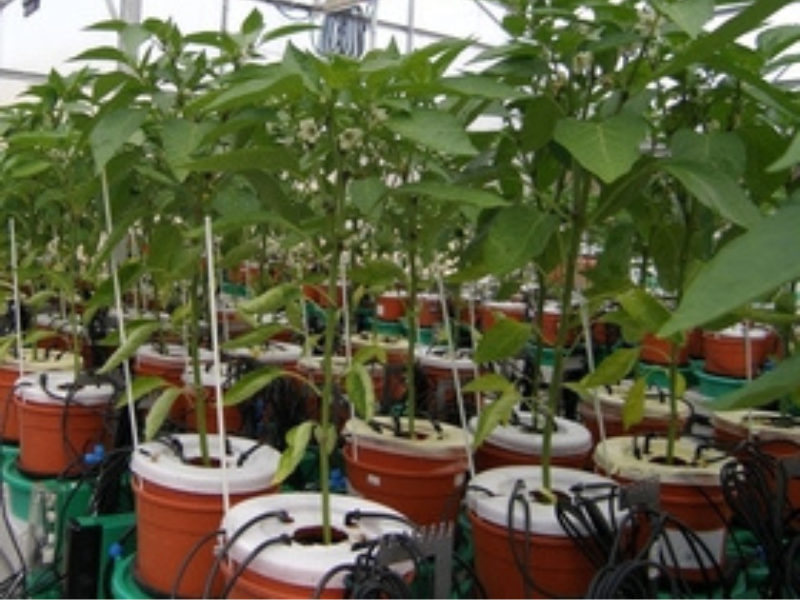
Biostimulants are substances or microorganisms that, when applied to plants or the rhizosphere, stimulate natural processes to enhance or benefit nutrient uptake, nutrient efficiency, tolerance to abiotic stress, and crop quality. This effect is independent of the product’s own nutrient content. The category of plant biostimulants is broad and includes diverse formulations such as: humic and fulvic acids, which are organic components of […]
How Much Water Does it Take to Make Chocolate?
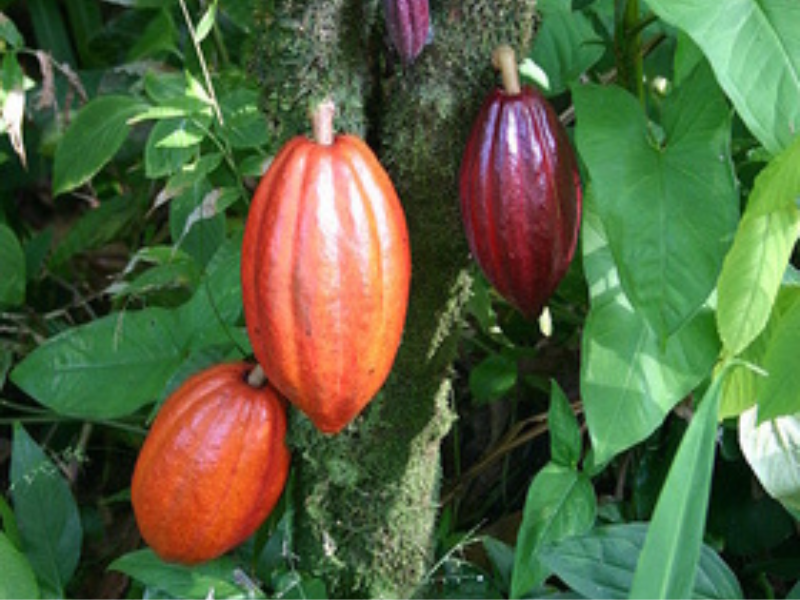
Would you believe about 1,700 liters of water is required to produce a 100g bar of chocolate? This seems like a ridiculously high number. So, in the famous words of Julius Sumner-Miller, “Why is it so?” Well, the Cocoa tree, which provides the core ingredient of our chocolate, consumes copious amounts of water yet has […]
NEW SPAC Analytics Software Version – Instant Plant Response
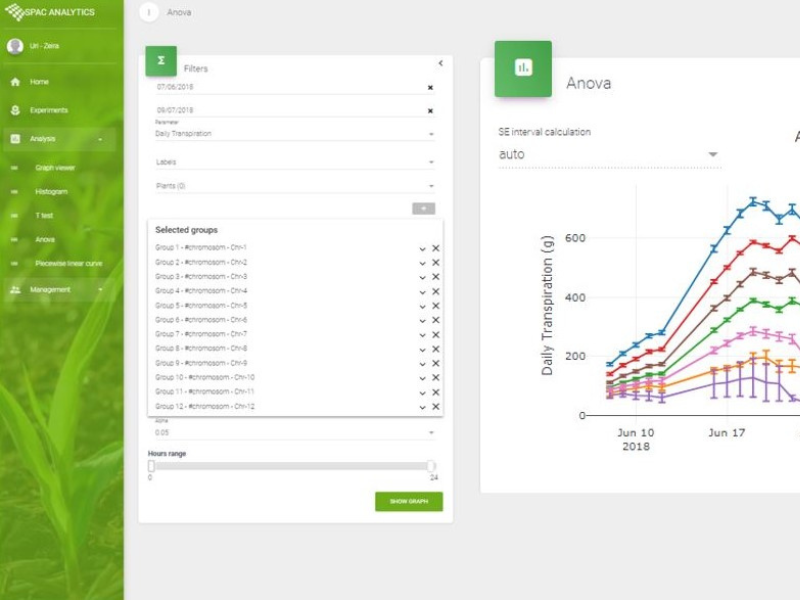
Studying and examining whole-plant properties today is still as challenging as ever, through all the technological advancement. It is harder to learn the plant status in real-time, and even harder to do so in many plants simultaneously. Understanding the plant functional performance in high throughput to overcome long testing periods during research and development cycles, […]
Plant Traits
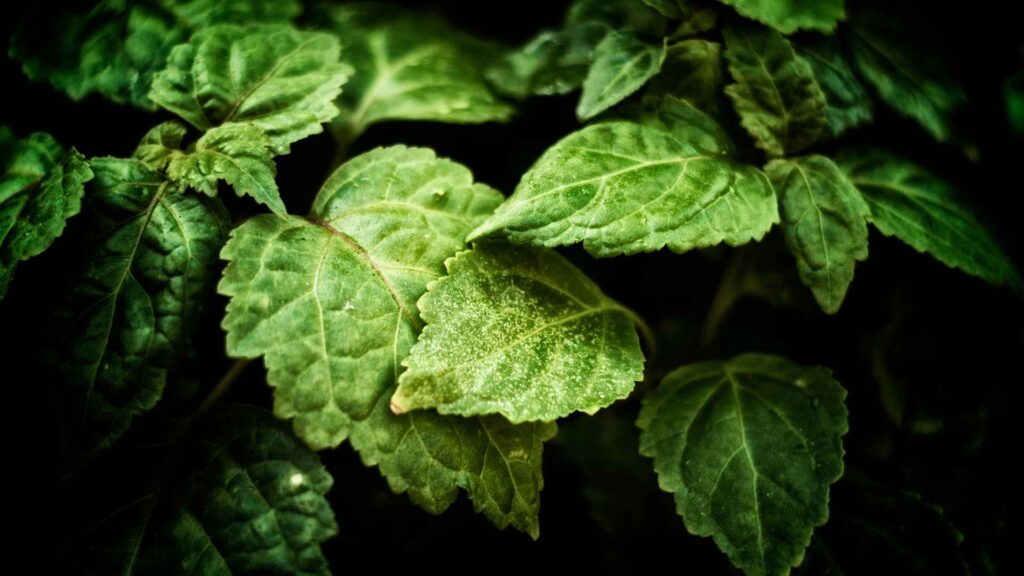
What are the plant traits? Plant traits are observable and measurable characteristics of plants that reflect their functionality, ecological strategies, and interactions with the environment. These traits can be categorized into three primary domains: morphological traits (e.g., leaf size, root length), physiological traits (e.g., photosynthesis rate, water-use efficiency), and phenological traits (e.g., flowering time, fruiting […]